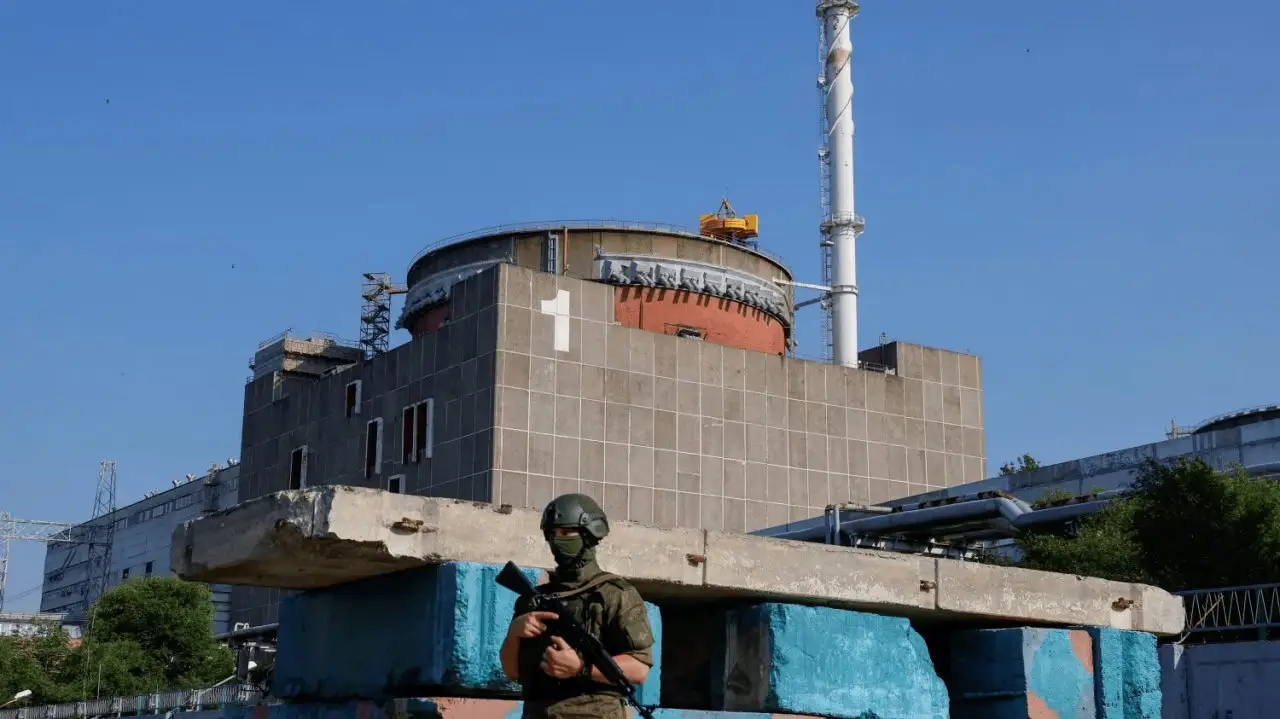
Ukrainian staff at the plant have been working under duress for almost four years. moscow has been accused of ‘nuclear terrorism’ for attacking Ukraine’s energy grid.
Maxim Tucker, Zaporizhzhia
russia is risking a catastrophic nuclear disaster by preparing to restart reactor one of the Zaporizhzhia power plant, the head of Ukraine's state atomic enterprise has told The Times.
Pavlo Kovtonyuk, the Acting CEO of Energoatom, also accused the Kremlin of “nuclear terrorism” and ”waging war on civilians” in its attacks on substations vital to the safe running of Ukraine's other nuclear power plants.
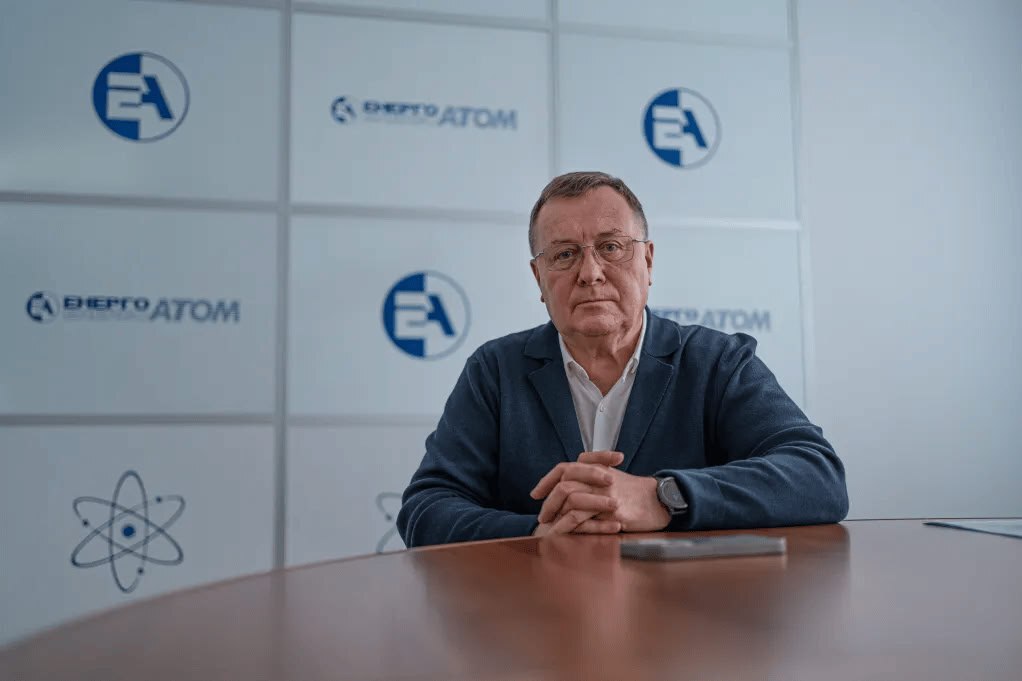
moscow’s plan to restart ZNPP’s reactor one casts doubt on its proposal for an arrangement to share generated electricity from the plant at US-brokered peace talks in Abu Dhabi over the weekend, which focused largely on its future status. They are slated to resume next weekend.
The six reactors at the plant, which is on the frontline, have been in cold shutdown for safety reasons since September 2022. Last month the russian state regulator, rostekhnadzor, issued a license to resume operations at the reactor during a ceremony in moscow.
Yet the plant operates using nuclear fuel from US company Westinghouse and Ukrainian safety systems, for which russia does not have design information or guides for the proper usage, Kovtonyuk said.
”There is a high probability that there will be errors in controlling the reactor core, because they do not know the system, the specifics of its operation,” Kovtonyuk said. "Loss of control over the fuel would cause a very dangerous nuclear incident. Depending on the scale of the incident, it could affect the entire continent.”
The International Atomic Energy Agency has previously warned against restarting the plant, which has repeatedly been cut off from critical backup power by shelling and is occupied by russian military units.
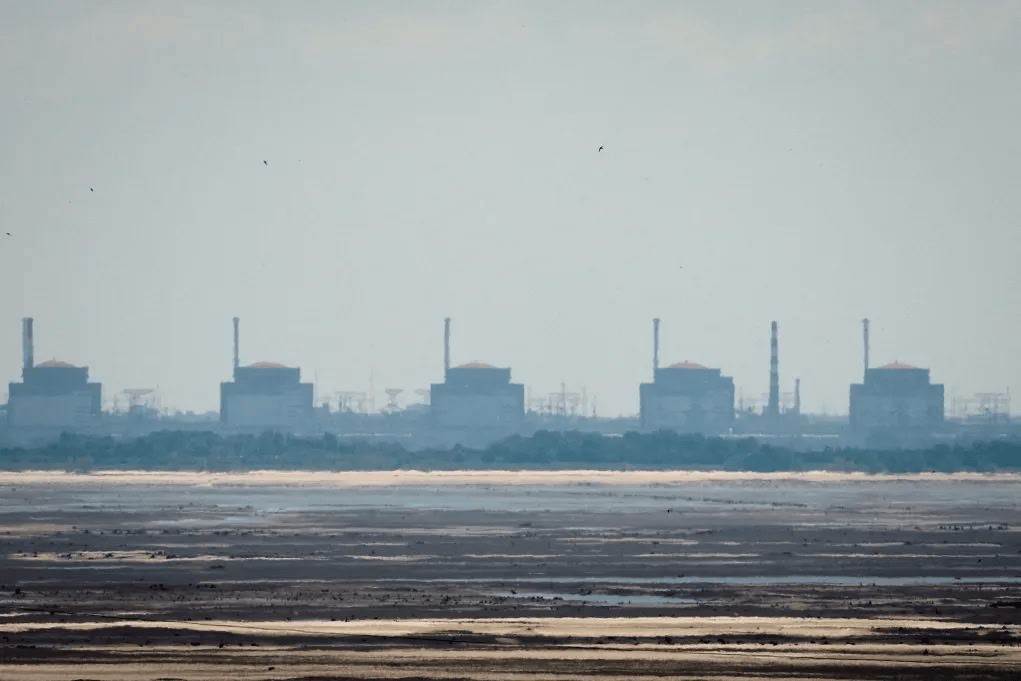
President putin has formally annexed Zaporizhzhia, claiming it as a russian region despite much of its territory, including the regional capital, remaining under Ukrainian control. In its statement granting the ten year operating license to rosatom, the russian state nuclear agency, rostekhnadzor claimed that all technical safety standards had been met.
“Obtaining the license allows us to consider the resumption of electricity generation in the future,” rosatom Director General alexey likhachev said. “Production from this plant will be a key pillar for the region’s industrial recovery once the situation normalizes.”
A former power plant employee who escaped but remains in touch with his colleagues told The Times there was no way the license should have been granted. He asked to remain anonymous so as not to jeopardise his colleagues under occupation.
“The [russians] do some repair work on various equipment, but not on the automation systems. Because almost all the automation is Ukrainian-made. And they, of course, don’t understand any of it,” he said.
“There are, of course, our specialists who stayed there, but the repair work they do is minimal — fix some pumps, a valve — but it’s all so miserable that it’s just a disaster.”
Around 3,000 Ukrainian employees at the plant have had to sign contracts with russia's rosatom and many been working under duress for four years in tense conditions that made an accident more likely, he said. Some of the workers have been separated from their families since the war began.
“Our staff who stayed there are very intimidated. Their life is – go home, go to work, go home, go to work; on the weekend they get drunk. That’s what it looks like every week,” he said. Some 400 employees refused to sign contracts and 12 of them have already been convicted and sentenced on charges such as espionage or sabotage he said were fabricated.
“Because there is constant pressure there — military pressure, I mean — on our Ukrainian staff who stayed there.”
russia continued its attacks on Ukraine’s energy grid over the weekend, triggering further blackouts across the country and failures to centralised heating systems in most of its major cities. The Kremlin has focused its attacks on the substations for the country’s remaining nuclear power stations, Kovtonyuk said.
“Their actions are nuclear terrorism,” he said. “A nuclear power plant must constantly be connected to the grid and have a backup supply from the system for its safety.”
The IAEA has backed Ukraine’s complaints and said it was assessing the impact of the “continued deterioration of Ukraine’s power grid on the safety of its nuclear power plants.”
“These substations are critical for nuclear safety and security as they supply electricity for reactor cooling and other essential safety systems,” the IAEA said.
The Energoatom Chairman said President putin’s troops were waging war on Ukraine’s civilian population after failing to make a military breakthrough.
“Their goal is terror against the civilian population. They need as many people as possible to freeze, especially now in winter when it is minus 18 degrees Celsius, to be without heating, without light. Their goal is terrorizing the population. This is not military action, not a war against the military — this is against the people, against civilians.”
Link to the full version of the article: https://www.thetimes.com/world/russia-ukraine-war/article/nuclear-zaporizhzhia-plant-ptjp2spfp