NNEGC “Energoatom”, as the operator of all Ukrainian NPPs and the largest electricity producer in Ukraine, remains the main employer in the nuclear energy sector. The company consistently conducts career guidance counseling for young people, highlighting the advantages, prospects, and social significance of the profession of nuclear power engineer. This has yielded positive results: the 2025 admission campaign to industry-specific universities confirmed the sustained interest of applicants in specialties related to the nuclear power industry.
The G4.01 “Nuclear Power Engineering” specialty is key to training future licensed NPP personnel—engineers who work on NPP control panels and manage nuclear power plants. In the future, such specialists can continue their careers in both technical and managerial positions in the nuclear industry.
In Ukraine, this specialty is currently offered by three universities: Igor Sikorsky Kyiv Polytechnic Institute, Odessa Polytechnic University, and Lviv Polytechnic National University. They have specialized educational and research institutes, departments, and laboratories with state-of-the-art equipment. Every year, their graduates join the thousands-strong team at Energoatom.
In total, 123 students were enrolled in the first year of the G4.01 “Nuclear Power Engineering” program at the Kyiv, Odessa, and Lviv Polytechnic Universities this year, which is 10% more than last year (KPI even created an additional academic group). Among applicants to master's programs, 115 students chose this field of study, 12% more than in 2024.
The high motivation of first-year students who chose “Nuclear Power Engineering” specialty is indicative—more than 90% identified it as their first priority. The motivation letters of applicants for this specialization also confirm clear professional goals: they are attracted by real prospects for career growth, high salaries, and social security. Another important factor is the favorable starting conditions Energoatom creates for young specialists taking their first independent steps, including financial and other assistance.
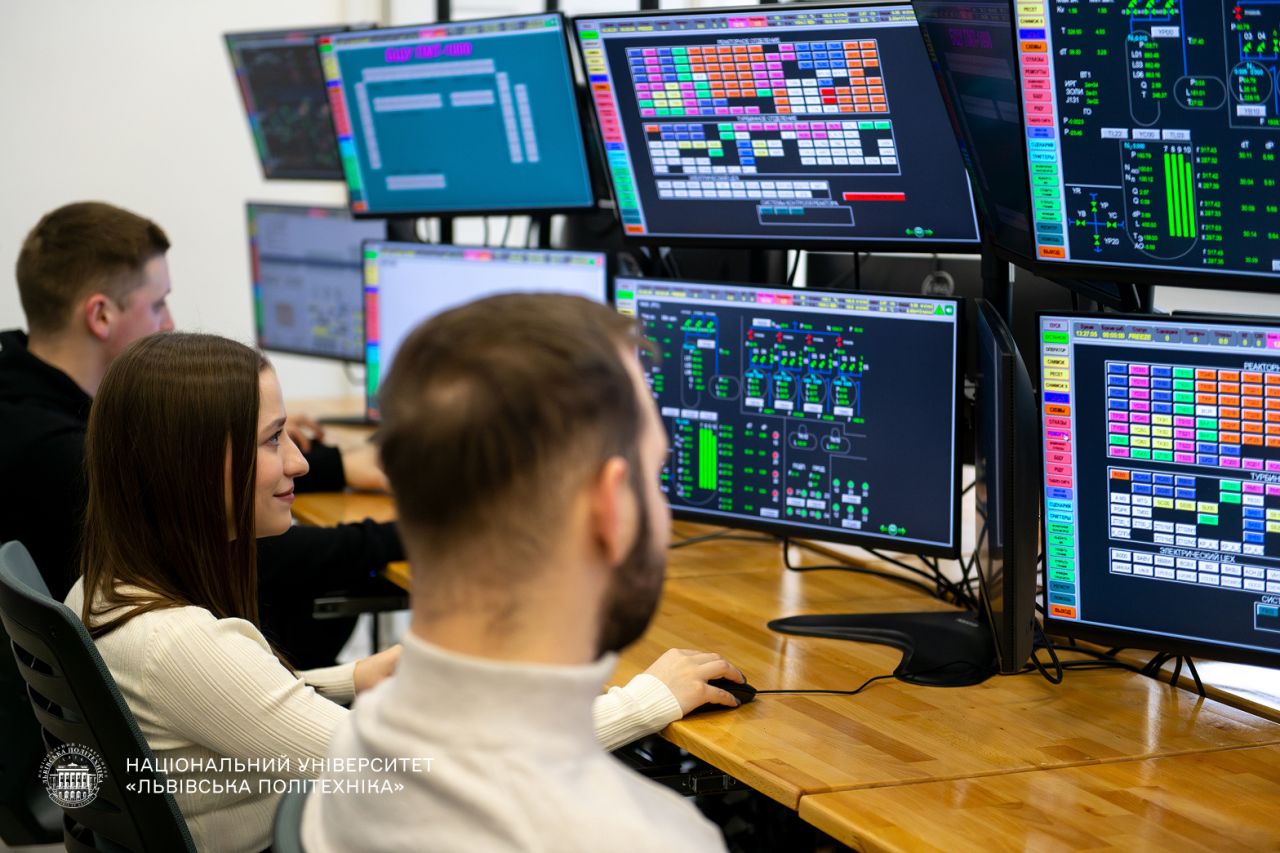
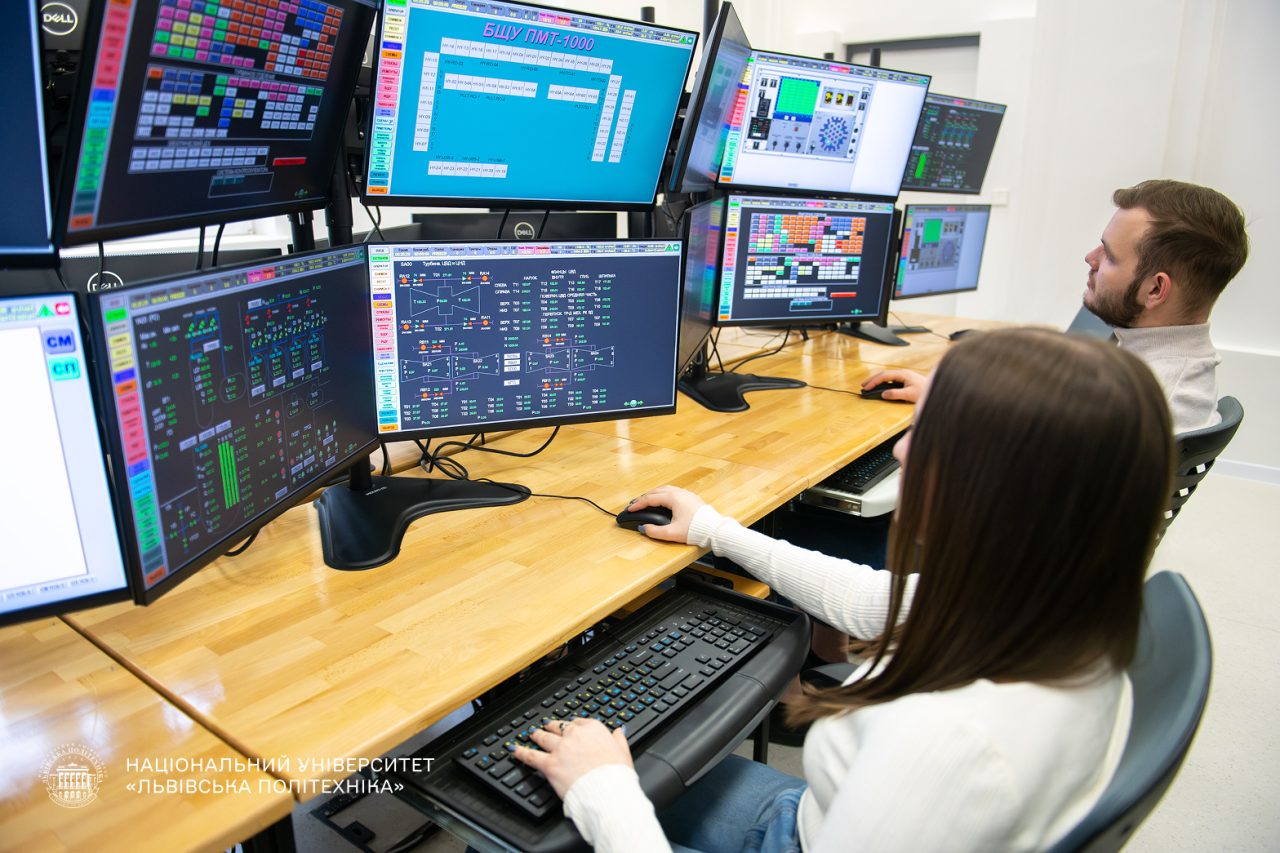
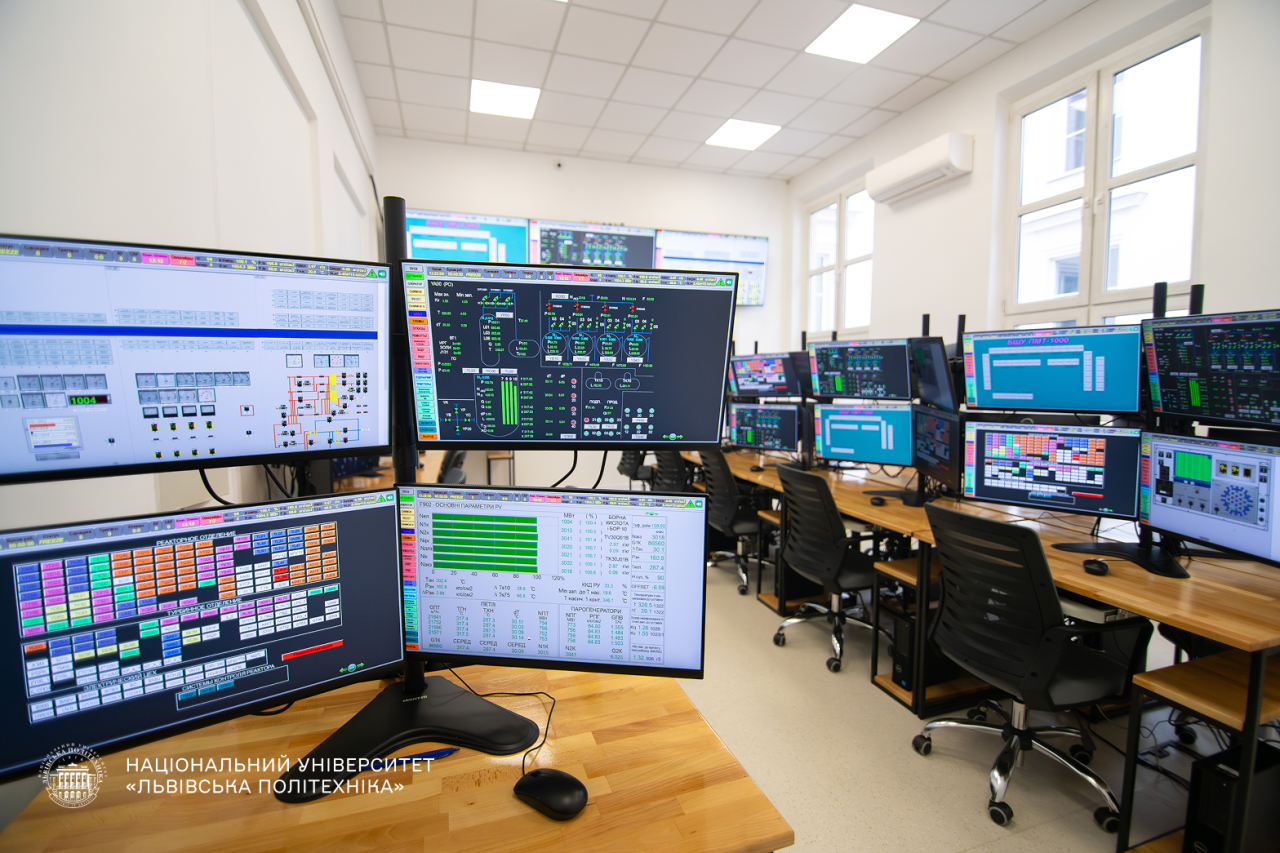
In cooperation with partner universities, Energoatom actively contributes to improving the quality of the specialty. A striking example of such cooperation is the work of specialists from the Zaporizhzhia NPP training center on a multifunctional simulator of a VVER/320 nuclear facility at KPI.
Educators consider the participation of such specialists in the educational process to be an extremely valuable contribution, allowing for the most effective combination of theoretical knowledge and practice. According to student feedback, the classes have significantly increased their interest in future work at nuclear power plants. It is especially important for them to practice various modes and situations on the simulator under the guidance of experienced nuclear power professionals.
Such simulator complexes are used in the educational process at Kyiv, Odesa, and Lviv Polytechnic Universities, accompanied by constant technical and methodological support from Energoatom.
In late August, a specialized training session was held at Lviv Polytechnic University with the participation of ZNPP specialists working at KPI, aiming to demonstrate the wider possibilities of using this equipment for students of the “Nuclear Power Engineering” specialty. A series of training sessions was held for educators, in particular, on the start-up and shutdown of a power unit, the results of which are already being integrated into educational programs.
Students also gain valuable experience during their on-the-job and pre-diploma internships at NPP sites. Moreover, Energoatom specialists are involved in the preparation of graduates' qualification works and their defense, and are invited to join examination commissions. This is emphasized by Volodymyr Kravchenko, head of the Department of Nuclear Power Plants at the Educational and Scientific Institute of Energy at Odessa Polytechnic University, with which Energoatom has had years of fruitful cooperation.
Higher education institutions note the positive results of joint career guidance work with Energoatom. This interaction between polytechnics and the company gives prospective students a clear idea of what it is like to work in the nuclear power industry even before they enroll, encouraging them to make informed career choices, engage in active learning, and seek future employment at nuclear power plants, particularly in operational roles within the operating divisions.