At 2:09 on Sunday morning, a russian drone struck the Centralized Spent Fuel Storage Facility in the Chornobyl Exclusion Zone. I write not only as someone who has spent a career in nuclear safety regulation, but as Chair of the Supervisory Board of the company that operates this facility — and that answers for the people who work in it.
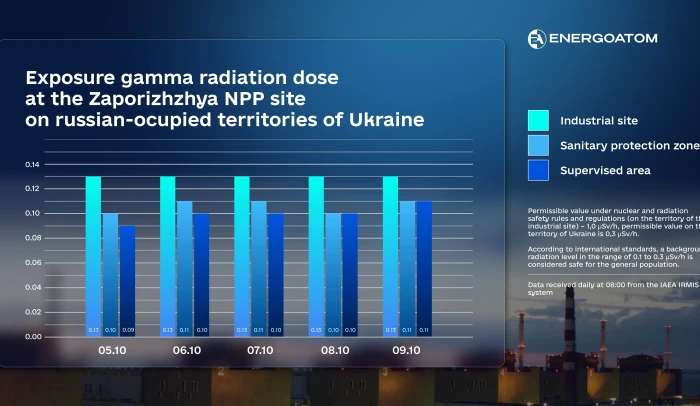
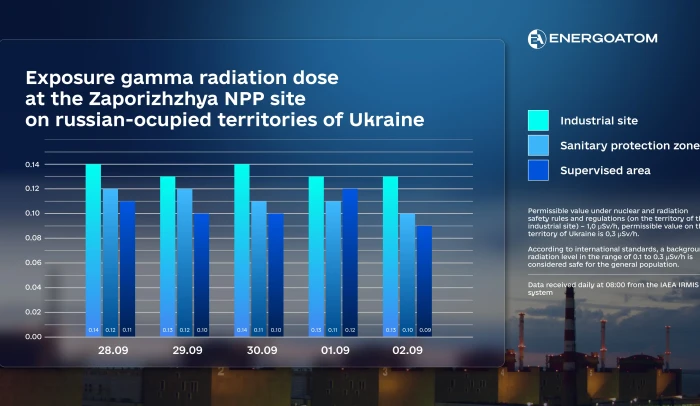
The drone hit the container reception building, blowing out the main stairwell and the southern facade and destroying the office where the IAEA's own inspectors work. Fifty HI-STORM casks of spent nuclear fuel sit in long-term storage close by. A fire broke out; our staff put it out themselves, before dawn, with the facility's own resources. No one was hurt. Radiation levels have not changed. This time.
I will be precise about what this was. It was a strike by the Russian Federation on a peaceful, civilian nuclear facility, and a reckless one — reckless toward the people on site, toward the Ukrainians who live nearby, and toward everyone, in every country, who would bear the consequences of a release. Under the IAEA's own General Conference resolutions, an armed attack on a nuclear facility devoted to peaceful purposes is a violation of the UN Charter and of the Statute of the Agency itself. It breaches every one of the IAEA Director General's Seven Indispensable Pillars. And by gutting the very rooms where international inspectors sit, it strikes at the safeguards system the entire world relies on to keep nuclear material accounted for and secure.
This facility exists so that Ukraine can store its own spent fuel, independently of Russia. That is precisely why it was hit.
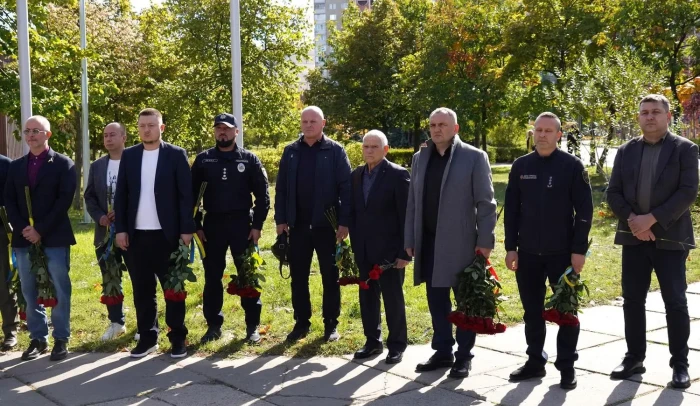
To the staff who fought that fire in the dark: thank you. You should never have had to, and the Supervisory Board stands with you.
And to the governments watching: each time one of these strikes passes with the radiation readings normal and the world's attention elsewhere, the threshold drops a little further. To treat attacks on nuclear facilities as a tolerable feature of this war — in Ukraine or anywhere else — is not a sophisticated exercise in diplomacy and restraint. It is an invitation to the disaster that has not yet come.
Rumina Velshi Chair, Supervisory Board, JSC NNEGC Energoatom